
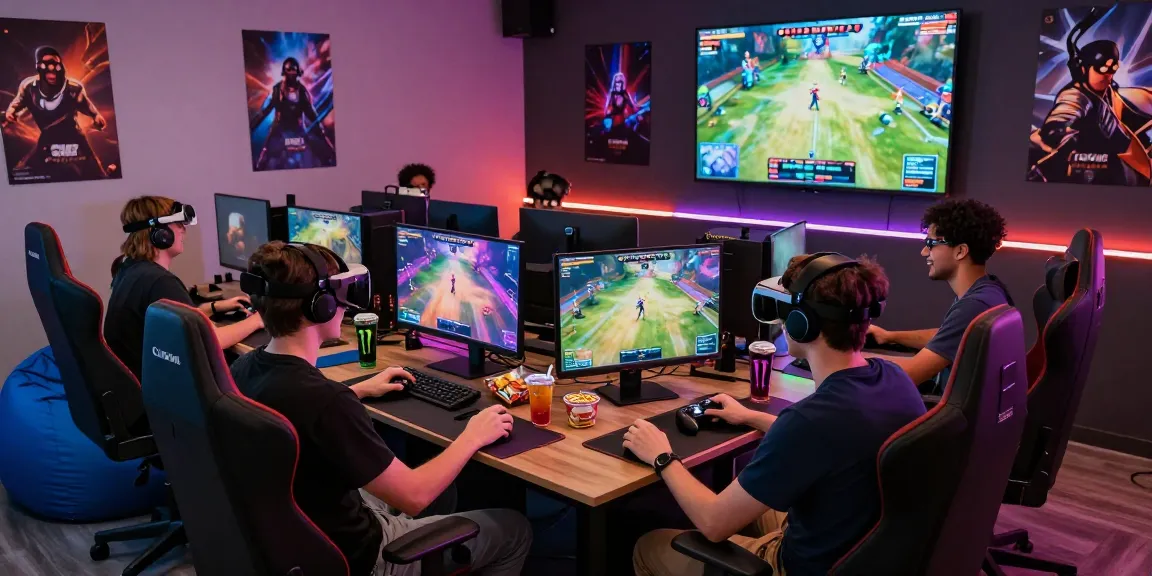
Emerging Technologies Impacting Online Gaming
The landscape of online gaming is evolving rapidly, driven primarily by emerging technologies that enhance user experience and broaden the horizons of game development. From virtual reality (VR) that immerses players into richly crafted worlds to cloud gaming that liberates them from hardware limitations, these technological advancements are reshaping the industry. Innovations in artificial intelligence (AI) are also playing a pivotal role, creating dynamic gaming environments that adapt to player behavior, pushing the boundaries of what games can achieve. When exploring options, https://sc88.chat/ provides comprehensive insights into these trends and their implications for gamers and developers alike.
Virtual Reality and Augmented Reality Integration
Virtual Reality (VR) and Augmented Reality (AR) are increasingly becoming integral to online gaming. VR creates immersive experiences that allow players to step into a game, using headsets and motion sensors to interact with 3D environments. AR, on the other hand, enhances the real world with digital elements, as seen in popular games like Pokémon Go. These technologies are not just novelties; they are transforming how narratives are conveyed and how players interact within gaming ecosystems.
Cloud Gaming Revolution
Cloud gaming represents a significant shift in how games are accessed and played. With platforms like Google Stadia and NVIDIA GeForce NOW, players can stream high-quality games directly to their devices without the need for expensive hardware. This democratizes access to gaming, enabling a wider audience to participate regardless of their financial capability. The implications for game developers are also profound, as they can reach a larger market with less concern about hardware compatibility.
Artificial Intelligence in Game Development
AI is not just a tool for creating smarter NPCs (non-playable characters); it’s reshaping entire game mechanics. Machine learning algorithms can analyze player behavior to provide personalized experiences, adapting challenges and storylines in real-time. As AI technology advances, it is poised to create games that not only entertain but also educate and promote social connections among players.
Gaming Communities and Social Connections
As online gaming becomes more popular, the sense of community among players is growing stronger. Gamers are no longer isolated in their experiences; they are forming vibrant communities that support collaboration and competition alike. Social connections are a crucial part of the gaming experience, driving engagement and retention.
The Rise of Multiplayer Experiences
Multiplayer games have emerged as a dominant force, fostering interactions among players across the globe. Titles like Fortnite and Apex Legends promote teamwork and strategic planning, enhancing the overall experience through collaboration. Games that prioritize social interactions tend to keep players engaged longer, as they build friendships and rivalries that extend beyond the game itself.
Influencer Culture in Gaming
The rise of streaming platforms such as Twitch and YouTube has ushered in a new era of influencer culture in gaming. Content creators have become pivotal in shaping trends and promoting games, acting as trusted sources of information for their audiences. This culture not only boosts game visibility but also helps in building community engagement, as influencers often interact with their fans during broadcasts.
Building Inclusive Gaming Spaces
Inclusivity in gaming is gaining momentum, with developers focusing on creating experiences that welcome players of all backgrounds. This means designing games that are accessible to individuals with disabilities and ensuring that diverse narratives are represented. Building inclusive gaming spaces enhances community spirit and promotes a sense of belonging among players.
Monetization Strategies in Online Gaming
With the growth of online gaming, innovative monetization strategies have become crucial for developers seeking sustainable revenue streams. These strategies must balance profitability with player satisfaction, ensuring that monetization does not detract from the gaming experience.
Microtransactions and In-Game Purchases
Microtransactions have become a staple in many games, allowing players to purchase in-game items or enhancements. While this model can boost revenue, it also raises concerns about fairness and the potential for a “pay-to-win” environment. Developers must tread carefully, creating a system that rewards players without alienating those who prefer not to spend additional money.
Subscription Services for Gamers
Subscription services like Xbox Game Pass and PlayStation Plus are gaining traction, offering players access to extensive libraries of games for a monthly fee. This model not only ensures a predictable revenue stream for developers but also encourages gamers to explore titles they may not have considered otherwise. As the market matures, subscription services could play an even larger role in how gamers access content.
Advertising Trends in Gaming
In-game advertising is evolving, with companies seeking innovative ways to reach audiences without disrupting gameplay. Brands are integrating ads seamlessly into gaming environments, enhancing realism while providing a revenue source for developers. The challenge lies in ensuring that these advertisements do not detract from the player experience.
Player Engagement and Retention Tactics
Engaging players and keeping them invested in games requires a multi-faceted approach. Developers must continuously adapt and innovate to sustain interest over time, leveraging various techniques to deepen player involvement.
Gamification Techniques in Non-Gaming Platforms
Gamification has found its way into non-gaming platforms, using game-like elements to boost engagement and retention in other industries. By incorporating achievements, rewards, and competition, businesses can enhance user experiences and foster loyalty. For instance, fitness apps implement challenges and leaderboards, creating a sense of community akin to gaming.
Seasonal Events and Updates
Regular seasonal events and updates are essential for maintaining player interest in ongoing games. These events often introduce new content, challenges, and limited-time rewards, providing players with incentives to return. Successful games create a sense of anticipation around these events, making players feel part of an evolving narrative.
Feedback Loops and Community Input
Active engagement with the gaming community is crucial for retaining players. Developers who solicit feedback and involve players in the decision-making process tend to foster loyalty. Regular updates based on community input help create a game that evolves with its audience, enhancing satisfaction and investment in the game.
Future Predictions for the Gaming Industry
The gaming industry is on the brink of significant transformation, with numerous trends that suggest a dynamic future. Understanding these trends can help stakeholders prepare for what lies ahead, ensuring they remain competitive in a rapidly changing environment.
Market Growth Forecasts for 2026
According to industry analyses, the online gaming market is expected to continue its robust growth, with projections indicating it could exceed $200 billion by 2026. Factors driving this growth include advances in technology, increased smartphone penetration, and the ongoing expansion of global internet access. This positive outlook presents opportunities for both developers and investors.
Innovations to Watch
As we look to the future, several innovations stand out as catalysts for change in the gaming sector. From VR advancements that offer unprecedented immersion to AI tools that enhance game development, these technologies are set to redefine gaming experiences. Keeping an eye on these innovations will be key for companies aiming to stay ahead of the curve.
The Evolving Role of Esports
Esports has ascended to a prominent position within the gaming industry, with professional gaming leagues garnering massive audiences and sponsorship deals. This trend shows no signs of slowing down, as the competitive gaming community continues to grow. The future will likely see more integration between traditional sports and esports, opening new avenues for collaboration and revenue.
What is the future of gaming?
The future of gaming appears bright, with technology paving the way for more engaging and interactive experiences. As VR and AR technology develops, the boundaries between reality and gaming will blur, creating experiences that are richer and more immersive than ever before. Additionally, the inclusion of AI in gaming will enhance player interaction, allowing for more dynamic and personalized gaming environments.
How to find the best multiplayer games?
Finding the best multiplayer games requires exploration and community engagement. Following gaming forums, watching streams, and seeking recommendations from friends can provide valuable insights into current favorites. Additionally, many platforms offer curated lists based on player ratings and popularity, helping gamers discover new titles that align with their preferences.
Why are online gaming communities important?
Online gaming communities foster a sense of belonging among players, promoting social interaction and collaboration. They provide spaces for sharing experiences, strategies, and support, enriching the overall gaming experience. These communities also contribute to player retention, as social connections often motivate individuals to keep playing.
What are the benefits of cloud gaming?
Cloud gaming offers numerous benefits, including eliminating hardware limitations and providing instant access to games. Players can enjoy high-quality graphics and performance without investing in expensive consoles or PCs. Additionally, cloud gaming services often feature extensive libraries, allowing users to try a wide range of games on demand. This flexibility makes gaming more accessible and appealing to a broader audience.
How is AI shaping the future of gaming?
AI is revolutionizing game development and player interaction. For more information, sc88.com offers valuable insights. From creating smarter NPCs to personalizing gameplay experiences, AI is at the forefront of innovation in this sector. As AI technology advances, it will enable developers to create more complex and adaptive gaming environments, enhancing the realism and engagement of games.