Understanding the Role of Aussteller in Trade Shows
The term Aussteller translates to "exhibitor" in English and plays a crucial role in the landscape of trade shows and exhibitions. These events serve as vital platforms for businesses to showcase their products and services, network with potential clients, and build brand awareness. For anyone navigating the trade show environment, understanding the nuances of being an Aussteller can significantly enhance their exhibit experience. When exploring options, Aussteller provides comprehensive insights into how best to prepare and participate effectively.
What is an Aussteller?
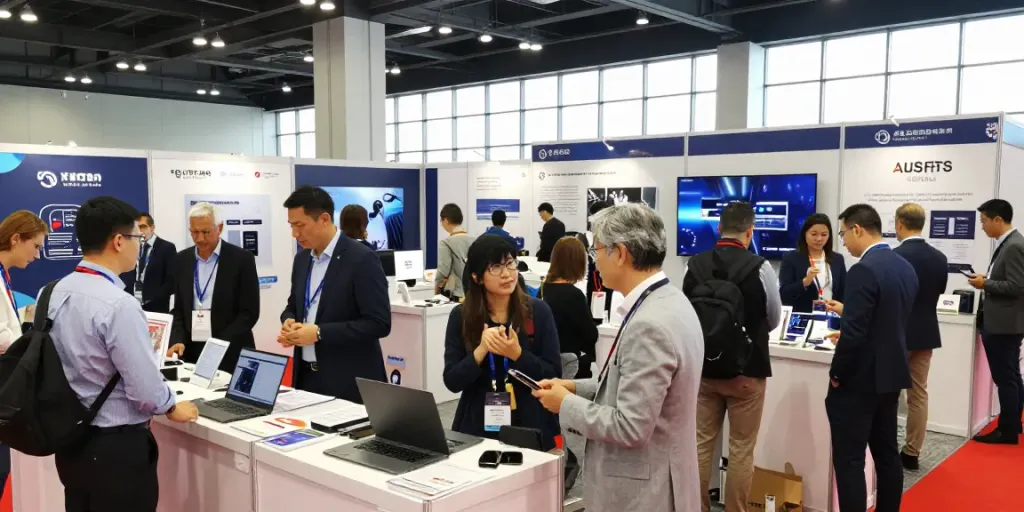
An Aussteller is primarily defined as a person or organization that exhibits products or services at trade shows, fairs, or exhibitions. The role of an Aussteller goes beyond merely displaying items; it involves engaging with attendees, demonstrating products, and creating connections that can lead to business opportunities. Typically, Aussteller are businesses wishing to promote their latest innovations, gather market feedback, or identify industry trends.
The Importance of Aussteller in Business Events
The presence of Aussteller at trade shows is vital for several reasons. Firstly, they provide the marketplace with access to new products and technologies, helping attendees stay informed about industry advancements. Secondly, Aussteller contribute to the overall atmosphere and diversity of the event. Without them, trade shows would lack the dynamic interaction that fosters networking and learning.
Moreover, Aussteller have the opportunity to:
- Increase brand recognition through visibility at high-profile events.
- Gather valuable leads and contacts that can result in future partnerships.
- Conduct competitive analysis by observing other exhibitors and industry leaders.
- Engage directly with their target audience to gather insights and feedback.
Types of Aussteller and Their Products
Aussteller can represent a wide variety of industries, from technology and healthcare to fashion and food. Based on their focus area, the types of Aussteller vary significantly, including:
- Product Aussteller: Companies that showcase physical goods like machinery, electronics, or consumer products.
- Service Aussteller: Organizations promoting services such as consulting, logistics, or software solutions.
- Start-up Aussteller: New businesses aiming to gain traction and visibility within their industry.
- International Aussteller: Firms from different countries participating to reach global markets.
Preparing for Your Role as an Aussteller
Effective preparation is critical for any Aussteller to maximize the potential benefits of their participation in a trade show. Detailed planning can lead to a more impactful presence and help the exhibitor stand out. Here are essential steps to consider during the preparation phase:
Best Practices for Booth Design
The design of an exhibitor booth plays a pivotal role in attracting attendees. A well-designed booth should be visually appealing, functional, and reflective of the brand identity. Key practices include:
- Branding: Ensure that the booth prominently features the company's logo and branding elements.
- Layout: Create an open layout that encourages visitor interaction while ensuring easy navigation.
- Engagement Tools: Use interactive displays or demos to engage attendees actively.
- Lighting and Color: Utilize effective lighting and color schemes to enhance the booth's appeal.
Effective Marketing Strategies for Aussteller
To draw in attendees, Aussteller must invest in marketing strategies that extend beyond the event itself. Effective pre-show marketing can significantly boost booth traffic. Strategies can include:
- Email Campaigns: Send out personalized invitations to existing and potential clients.
- Social Media Promotion: Promote participation on various platforms to build excitement and awareness.
- Press Releases: Announce product launches or special promotions during the event.
Engaging with Attendees: Tips for Success
Once at the event, engaging attendees is key to achieving success as an Aussteller. Here are some effective tips:
- Staff Training: Ensure all staff are knowledgeable and personable to create positive interactions.
- Networking Events: Attend networking sessions and engage with other exhibitors and attendees.
- Follow-Up: Collect contact information and follow up promptly after the event.
Building Connections: Networking as an Aussteller
Trade shows offer a unique opportunity for Aussteller to build connections within their industry. Networking can result in fruitful relationships that extend beyond the event itself.
Strategies for Effective Networking at Trade Shows
Networking strategies should be deliberate and targeted. Aussteller can consider:
- Pre-Show Research: Identify key attendees or other exhibitors you wish to connect with prior to the event.
- Utilize Technology: Leverage social media or event apps to connect with other participants.
- Build Relationships: Focus on establishing genuine connections rather than just collecting business cards.
Tools and Technology to Enhance Networking
The advancement of technology has introduced numerous tools that can facilitate networking for Aussteller:
- Event Apps: Many trade shows provide apps to help attendees connect and schedule meetings.
- Virtual Reality: Use VR technology for immersive displays that attract visitors and create conversations.
- Lead Capture Systems: Utilize digital systems to capture and manage leads efficiently.
Following Up: Turning Leads into Relationships
After a trade show, the real work begins. Following up with leads is crucial for turning initial conversations into lasting relationships. Suggestions include:
- Segment Leads: Categorize leads based on interest level or industry to personalize follow-up efforts.
- Email Follow-ups: Send personalized messages thanking them for their visit and reminding them of your conversation.
- Offer Value: Include useful resources, like case studies or whitepapers, related to their interests.
Measuring Success as an Aussteller
To justify the investment in a trade show, Aussteller must measure the return on investment (ROI) and overall success of their participation. This can be achieved through various methods:
Key Performance Indicators for Trade Shows
Establish clear KPIs before the event to evaluate success afterward. Important metrics may include:
- Lead Quantity: The total number of leads collected during the event.
- Engagement Levels: How many attendees interacted with your booth or staff.
- Sales Generated: New sales directly attributed to the event.
Gathering Feedback and Insights
Collecting feedback from both attendees and staff can provide insights into what worked well and what could be improved. Methods include:
- Surveys: Send post-event surveys to attendees asking for their impressions of the booth.
- Debriefs: Conduct internal debriefs with staff to gather insights from their experiences during the event.
Analyzing ROI from Participation as Aussteller
To assess the financial outcome, analyze all costs associated with the trade show against the revenue generated. This includes:
- Exhibition space costs.
- Booth design and logistics expenses.
- Staff travel and accommodation expenses.
- Sales directly linked to leads generated during the trade show.
Future Trends for Aussteller in 2026 and Beyond
As industries evolve and technologies advance, the role of Aussteller will continue to transform. Keeping an eye on emerging trends is essential for adapting effectively.
Emerging Technologies Impacting Exhibiting
New technologies such as augmented reality (AR) and artificial intelligence (AI) are set to revolutionize how Aussteller engage with attendees:
- AR Experiences: Implementing AR can create interactive experiences that stand out.
- AI Chatbots: Utilizing chatbots can streamline information dissemination and lead capture.
Predictions for Trade Shows and Exhibitions
As we look to the future, there is a growing trend toward hybrid events that combine in-person and virtual experiences. This model provides flexibility and greater reach for Aussteller across different markets.
Adapting to Changes in Attendee Behavior
With shifting demographics and preferences, Aussteller must stay attuned to changes in attendee behavior. Key adaptations may include:
- Emphasizing sustainability and eco-friendliness in booth designs and materials.
- Offering digital experiences that resonate with tech-savvy audiences.
Understanding Aussteller Roles Across Different Industries
The role of an Aussteller can differ significantly depending on the industry. Understanding these nuances helps tailor strategies specific to your sector. For example:
- Tech Industry: Focuses heavily on live demos and interactive displays to showcase innovations.
- Fashion Industry: Prioritizes aesthetics in booth design, often including runway-style presentations.
How Can I Prepare Effectively as an Aussteller?
Preparation is key to becoming an effective Aussteller. This involves understanding the target audience, creating engaging materials, and ensuring logistical arrangements are in place beforehand.